
Loan Features & Benefits
- ✓ Fast underwriting and decisioning for active deal timelines.
- ✓ Flexible terms for bridge, renovation, and refinance exits.
- ✓ Asset-focused review instead of rigid bank-style constraints.
Strategic Applications
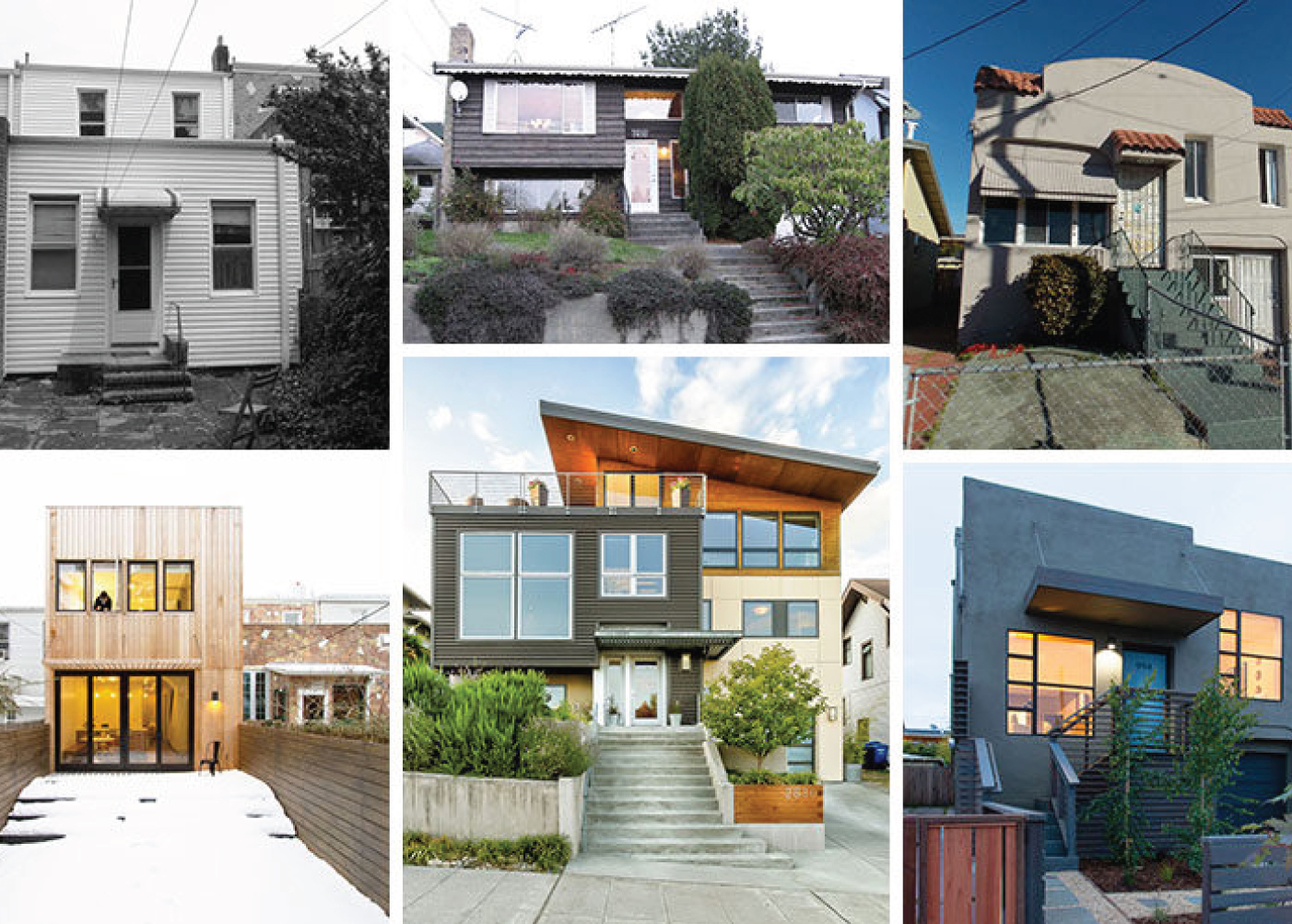
Fix-and-flip loans support a diverse range of residential renovation projects throughout the Aspen area. Single-family home renovations represent the most common application, particularly for properties in established neighborhoods where original construction dates to the 1960s through 1980s. These homes often feature outdated kitchens with laminate countertops and builder-grade cabinets, original bathrooms with vintage fixtures, and floor plans that don't reflect modern open-concept preferences. Strategic renovations addressing these elements can dramatically increase property values and appeal to luxury buyers seeking move-in ready homes.
Condominium and townhouse renovations present unique opportunities in Aspen's dense core areas where single-family home inventory is limited and prohibitively expensive. Many older condo buildings near the base of Aspen Mountain or along the Roaring Fork River offer units with tremendous potential for modernization. Fix-and-flip investors can acquire these units, update interiors with high-end finishes, improve energy efficiency with new windows and mechanical systems, and resell to buyers seeking low-maintenance luxury living with walkable access to downtown amenities.
Luxury property renovations target Aspen's high-end market segment, where buyers expect exceptional quality and contemporary design. These projects might involve complete gut renovations of older estates, additions that expand living space while maintaining architectural character, or conversion of dated vacation homes into sophisticated retreats with smart home technology, gourmet kitchens, spa-like bathrooms, and outdoor living spaces that capitalize on mountain views. While requiring larger capital commitments, these projects can generate substantial returns in Aspen's multimillion-dollar market.
Multi-unit residential properties, including duplexes, triplexes, and small apartment buildings, offer fix-and-flip opportunities with multiple revenue streams or resale options. Investors can renovate individual units to command higher rents for buy-and-hold strategies, or improve the entire property for sale to other investors or owner-occupants seeking rental income. Aspen's limited rental inventory and strong seasonal demand create favorable market conditions for well-located multi-unit renovations.
Historical property renovations require specialized expertise and sensitivity to Aspen's architectural heritage. Properties in designated historic districts or those contributing to neighborhood character may qualify for fix-and-flip financing when renovation plans preserve significant architectural features while updating systems and interiors for modern living. These projects often involve collaboration with historic preservation consultants and may qualify for tax incentives that improve project economics.
Common Challenges
Fix-and-flip investors in Aspen encounter several market-specific challenges that require careful planning and risk management. Construction costs in the Roaring Fork Valley consistently exceed national averages due to the remote mountain location, limited contractor availability, and high demand for skilled trades during the compressed building season. Material costs are inflated by transportation expenses, and labor rates reflect the high cost of living in the Aspen area. Accurate budgeting requires familiarity with local cost structures and relationships with reliable contractors who understand mountain construction requirements.
The permitting and inspection process in Pitkin County can add significant time to renovation schedules. Historic preservation reviews, environmental assessments, and strict building codes designed for mountain conditions all contribute to longer approval timelines than investors might experience in less regulated markets. Seasonal construction limitations further complicate scheduling, as winter weather can halt exterior work and create contractor availability challenges during peak ski season when many construction professionals take vacation time.
Market timing presents additional complexity in Aspen's seasonally driven real estate market. Properties renovated for luxury buyers may achieve optimal prices during the spring and fall selling seasons when affluent second-home buyers are actively searching, while missing these windows might necessitate extended holding periods or price adjustments. Understanding buyer behavior patterns and coordinating renovation completion with favorable selling seasons requires sophisticated market knowledge.
Cost overruns represent a persistent risk in renovation projects, particularly when dealing with older properties where concealed conditions may not be apparent until demolition begins. Aspen's vintage housing stock often contains outdated electrical systems, plumbing that doesn't meet current codes, structural issues related to snow loads, and hazardous materials like asbestos or lead paint that require specialized remediation. Experienced investors build substantial contingency reserves into their budgets to address these uncertainties.
Our Lending Approach
Our fix-and-flip lending program is designed by investors for investors, with structures that reflect the realities of renovation project cash flows and timelines. We understand that successful fix-and-flip investing requires not just capital, but also guidance and flexibility to address the unexpected challenges that inevitably arise during renovation projects.
We base our loan approvals primarily on the property's after-repair value (ARV) and the borrower's renovation plan and experience rather than traditional credit metrics. This approach allows experienced investors to access larger loan amounts based on the value they'll create through their renovation work, not just the property's current condition. Our maximum loan-to-ARV ratios of up to 70% provide sufficient capital for most projects while maintaining appropriate risk parameters.
Our draw administration process is streamlined to ensure contractors receive payment promptly, keeping projects on schedule and maintaining positive relationships with vital tradespeople. We conduct inspections within 48 hours of draw requests and release funds immediately upon verification of completed work. This responsiveness helps investors avoid the cash flow squeezes that can derail renovation timelines.
We maintain relationships with experienced local contractors, architects, and real estate professionals who can provide valuable guidance to investors executing their first Aspen-area renovations. While we don't require borrowers to use specific vendors, we're happy to make introductions and share market insights that can contribute to project success. Our goal is to build long-term relationships with successful investors who return for financing on multiple projects.
Aspen Market Context
Aspen's distinctive neighborhoods each present unique fix-and-flip opportunities. The West End, with its Victorian-era homes and proximity to downtown, offers properties where sensitive renovations can preserve historic character while adding modern amenities. East Aspen properties near the Buttermilk ski area appeal to families seeking convenient access to skiing. Red Mountain estates provide opportunities for ultra-luxury renovations targeting Aspen's most affluent buyers. Understanding the nuances of each neighborhood's buyer preferences, architectural expectations, and price points is essential for successful fix-and-flip investing in this sophisticated market.
Frequently Asked Questions
How much can I borrow for a fix-and-flip project in Aspen?
Fix-and-flip loans typically cover up to 70% of the property's after-repair value (ARV) or 85% of the total project cost (purchase plus renovation), whichever is less. For example, on a property with a $2 million ARV, maximum loan amounts would be approximately $1.4 million. Actual loan amounts depend on the specific property, renovation scope, and borrower's experience.
What experience do I need to qualify for fix-and-flip financing?
While first-time flippers can qualify with strong projects and sufficient cash reserves, most lenders prefer borrowers with at least one or two completed renovation projects. Experience can be demonstrated through before-and-after documentation, contractor references, and profit records from previous flips. Strong credit, adequate liquidity, and detailed project plans can offset limited experience.
How are renovation funds disbursed?
Renovation funds are typically released in draws based on completed work. The standard process involves submitting draw requests with contractor invoices and photographs of completed work, followed by a lender inspection to verify progress. Approved draws are usually funded within 2 to 3 business days of inspection. Most projects have 3 to 5 scheduled draws tied to major construction milestones.
What types of renovations are typically financed?
Fix-and-flip loans finance most value-adding improvements including kitchen and bathroom renovations, flooring replacement, interior and exterior painting, roof repairs or replacement, HVAC system upgrades, window and door replacement, landscaping improvements, and minor structural repairs. Luxury upgrades like gourmet kitchens, spa bathrooms, and outdoor living spaces are common in the Aspen market.
How long do I have to complete the project and repay the loan?
Fix-and-flip loans typically have 6 to 18 month terms, with 12 months being most common. This timeline accommodates acquisition, renovation, marketing, and sale of the property. Extensions may be available if the project is progressing but requires additional time, though extension fees typically apply. Interest-only payments during the renovation period minimize carrying costs.