
Loan Features & Benefits
- ✓ Fast underwriting and decisioning for active deal timelines.
- ✓ Flexible terms for bridge, renovation, and refinance exits.
- ✓ Asset-focused review instead of rigid bank-style constraints.
Strategic Applications
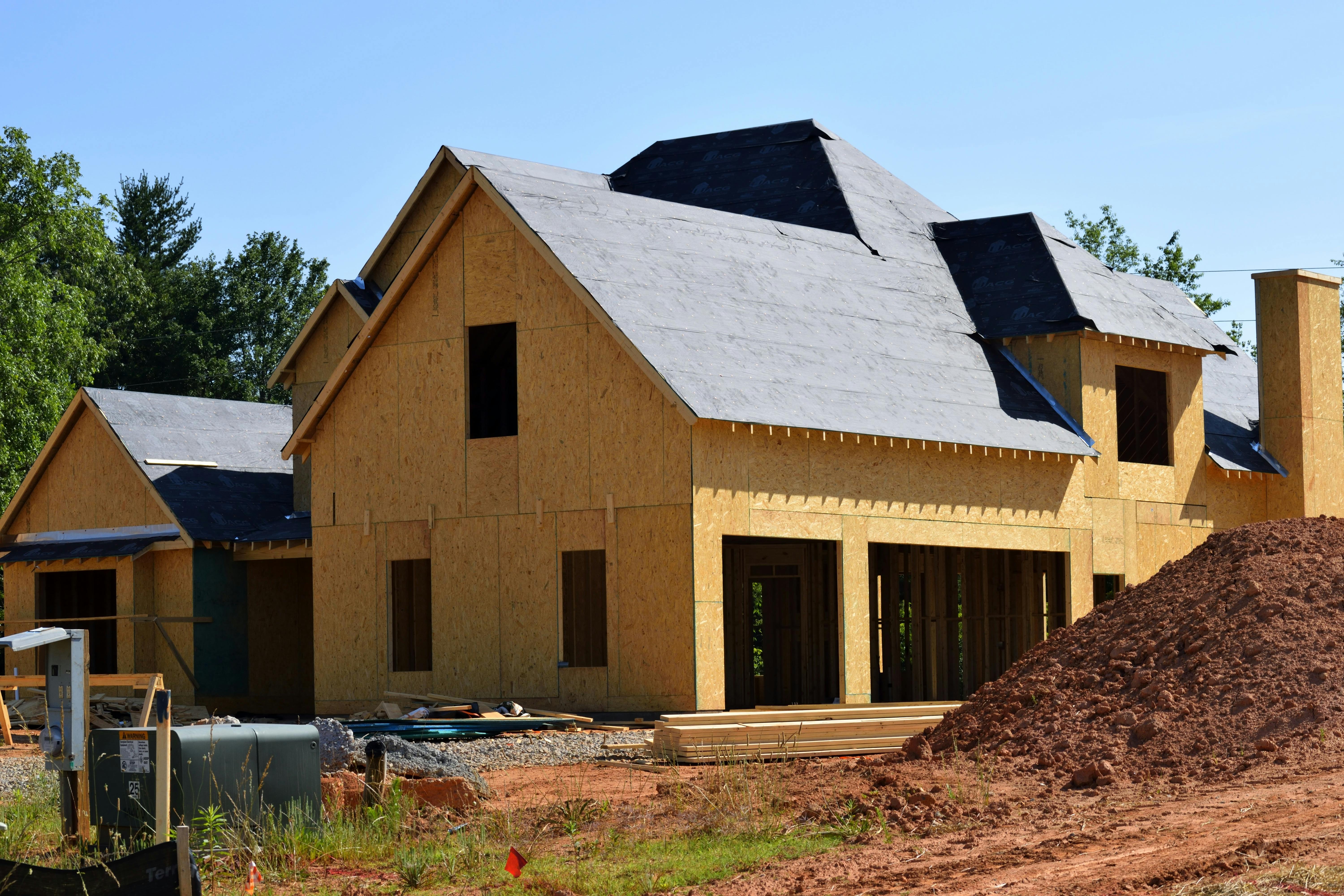
Custom home construction represents a primary application for construction-to-permanent loans in the Aspen market. Affluent buyers seeking to build their mountain retreats on purchased lots require financing that accommodates the extended timelines and substantial budgets typical of luxury home construction in the area. These loans cover land acquisition (if not already owned), hard and soft construction costs, contingency reserves, and interest reserves, providing comprehensive funding for projects that may span 18 to 36 months from groundbreaking to completion.
Speculative home construction for the luxury market can be financed through construction-to-permanent programs structured for investor builders. These loans support acquisition of entitled lots, construction of high-end residences designed for the Aspen buyer profile, and eventual sale of completed properties. Interest reserves and extended construction periods accommodate the marketing timelines typical for luxury homes, which may remain on the market for months while seeking qualified buyers at appropriate price points.
Multi-unit residential development including duplexes, townhomes, and small condominium projects can be financed through construction-to-permanent structures designed for rental or sale upon completion. These loans support the extended timelines required for multi-unit projects, including extended permitting, phased construction, and lease-up or sales periods before permanent financing conversion. Debt service coverage requirements for permanent conversion are often based on projected stabilized income rather than initial occupancy.
Commercial construction projects including retail buildings, office spaces, and mixed-use developments can utilize construction-to-permanent financing tailored to commercial property characteristics. These programs accommodate the complex draw schedules, specialized inspections, and extended lease-up periods typical of commercial projects. Permanent conversion terms are structured based on stabilized property income and may include periods of interest-only payments during initial lease-up phases.
Major renovation and expansion projects that effectively constitute reconstruction may qualify for construction-to-permanent financing even when original structures are retained. Projects involving substantial gut renovations, additions that double square footage, or extensive seismic and structural upgrades may be treated as new construction for financing purposes, with draw schedules and inspection requirements similar to ground-up building.
Owner-builder construction where borrowers serve as their own general contractors can sometimes be accommodated through specialized construction-to-permanent programs. These loans require demonstrated construction experience, detailed project management plans, and often higher equity contributions or interest reserves to offset the additional risks associated with owner-builder arrangements.
Common Challenges
Construction cost overruns present the most significant risk in Aspen building projects, where remote location logistics, limited subcontractor availability, and specialized material requirements create pricing volatility. Mountain construction involves complexities not present in urban or suburban projects, including foundation systems designed for steep slopes and snow loads, advanced weatherproofing requirements, and specialized mechanical systems for high-altitude performance. Even experienced builders frequently encounter unforeseen conditions that increase costs beyond original budgets.
Seasonal construction limitations in the Roaring Fork Valley compress building activity into roughly 8 to 9 months annually, extending project timelines and increasing carrying costs. Winter weather halts exterior work, concrete placement, and many site activities, while spring snowmelt can create access challenges on developing sites. These seasonal factors must be incorporated into realistic construction schedules and financing timelines, with contingency provisions for weather-related delays.
Contractor availability and quality present ongoing challenges in Aspen's busy construction market. The most reputable builders maintain backlogs of 12 to 24 months, and securing quality subcontractors for specialized trades such as stonework, timber framing, and high-end finishes can be difficult during peak building seasons. Cost overruns often result from substitution of less experienced contractors when preferred tradespeople are unavailable, requiring more supervision and producing lower quality results.
Permitting and inspection delays extend timelines beyond projected schedules. Pitkin County's building department maintains high standards appropriate for the area's seismic, snow load, and wildfire exposure, but the review process can be lengthy, particularly for complex or unconventional designs. Revisions required to address plan review comments, field inspections that identify required corrections, and scheduling challenges with inspection staff all contribute to timeline extensions.
Interest rate risk during construction creates uncertainty for borrowers using standalone construction loans that require separate permanent financing. Market rates can increase substantially during 18 to 24 month construction periods, potentially making planned permanent financing unaffordable or unavailable. Even borrowers who qualify for permanent loans at higher rates may find that increased debt service reduces project cash flow below sustainable levels.
Project abandonment or contractor failure, while relatively rare with reputable builders, can leave partially completed structures and exhausted budgets. Recovering from mid-project contractor changes requires substantial additional capital, extended timelines, and complex negotiations with replacement builders who may be reluctant to assume responsibility for work performed by others.
Our Lending Approach
Our construction-to-permanent lending program is designed by professionals with extensive experience in mountain resort market construction financing. We understand the unique challenges of building in the Aspen area, the extended timelines typical of luxury projects, and the importance of structured draw administration in controlling costs and ensuring project completion.
We begin each construction loan engagement with thorough review of project documentation including detailed construction budgets, builder contracts, architectural and engineering plans, and permit status. Our underwriting evaluates the builder's experience with similar projects, financial capacity to complete contracted work, and reputation in the local market. We verify that budgets include appropriate contingencies for mountain construction complexities and that timelines reflect realistic assessments of seasonal factors and permitting requirements.
Our draw administration process ensures that construction funds are available when needed while maintaining appropriate controls over project expenditures. We disburse funds based on verified completion of work items, with inspections conducted by qualified professionals who understand mountain construction requirements. Draw requests are typically processed within 48 to 72 hours of submission, ensuring contractors receive timely payment and maintaining positive working relationships essential for project success.
The permanent conversion feature of our loans is structured to provide seamless transition from construction to long-term financing without additional applications, appraisals, or closing costs. Permanent terms are established at loan origination based on projected property value upon completion, eliminating interest rate risk and refinancing uncertainty. Conversion occurs automatically upon certificate of occupancy issuance and verification that construction has been completed substantially according to plans.
We maintain relationships with experienced builders, architects, and project managers throughout the Roaring Fork Valley who can provide valuable guidance to owners undertaking construction projects. While borrowers may work with any qualified professionals, we're happy to facilitate introductions to service providers with proven track records in the local market. Our goal is to support successful project completion that creates valuable collateral and satisfied long-term borrowers.
Aspen Market Context
Construction in the Aspen area operates within strict regulatory frameworks designed to protect the mountain environment and maintain community character. Pitkin County building codes address unique mountain conditions including heavy snow loads, seismic activity, wildfire exposure, and high-altitude weather extremes. The county's AMI housing requirements mandate affordable housing contributions for most market-rate residential developments. Environmental regulations protect sensitive habitats, water quality, and scenic corridors. These requirements, while adding complexity and cost to construction projects, help ensure that new development complements Aspen's extraordinary natural setting and maintains the quality that makes the area one of the world's most desirable mountain destinations.
Frequently Asked Questions
How does a construction-to-permanent loan work?
Construction-to-permanent loans combine construction financing and permanent mortgages in a single loan product. During construction, you make interest-only payments on funds as they're disbursed through draws. Upon completion and certificate of occupancy, the loan automatically converts to permanent financing with principal and interest payments based on the full loan amount. Only one application and closing are required, saving time and costs compared to separate construction and permanent loans.
What is the interest rate during construction?
During the construction phase, interest rates are typically adjustable based on a benchmark index plus margin, calculated only on disbursed amounts. The permanent rate is usually locked at application or during construction, converting to a fixed rate upon completion. Some programs offer rate locks for the permanent portion while construction rates float. We clearly disclose both construction-phase and permanent financing terms at loan origination.
How are construction funds disbursed?
Construction funds are disbursed in draws based on completed work. The typical process involves submitting draw requests with contractor invoices and evidence of completion, followed by inspection to verify work quality and percentage complete. Approved draws are disbursed within 2 to 3 business days of inspection. Most projects have 5 to 8 scheduled draws tied to construction milestones such as foundation completion, framing, mechanical rough-in, and final completion.
What happens if construction costs exceed the budget?
Cost overruns are the borrower's responsibility and must be covered through additional equity contributions or alternative financing. Well-structured budgets include 10% to 15% contingencies for unforeseen conditions. We recommend maintaining reserve funds beyond loan proceeds to address overruns. If overruns threaten project completion, we work with borrowers to evaluate options including scope modifications, additional financing, or extended timelines.
Can I act as my own general contractor?
Owner-builder arrangements may be considered for borrowers with documented construction experience, appropriate licensing, and demonstrated ability to manage projects of similar scope. These loans typically require higher equity contributions, detailed project management plans, and more frequent inspections. First-time builders or those without construction backgrounds are generally required to work with established general contractors.